
Uttara Swami temple complex, also called “Malai Mandir,” consists of a Tamil word “Malai” {mountain/hill) that has been harmoniously merged with the Hindi word “Mandir” {temple}. The temple is dedicated to Lord Swaminath who is generally referred to as Lord Murugan.
On being asked, the temple officials told me that the temple is mostly visited and worshipped by people of Tamil, Telugu, Malayali, and Kannada origins.
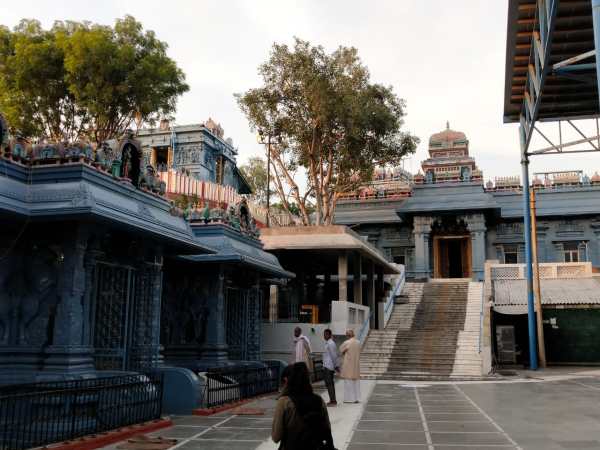
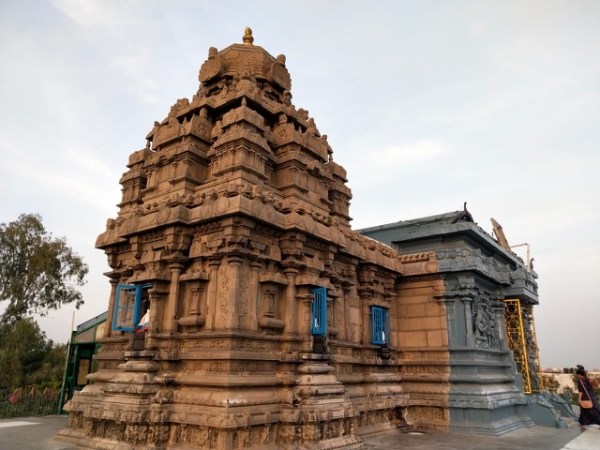
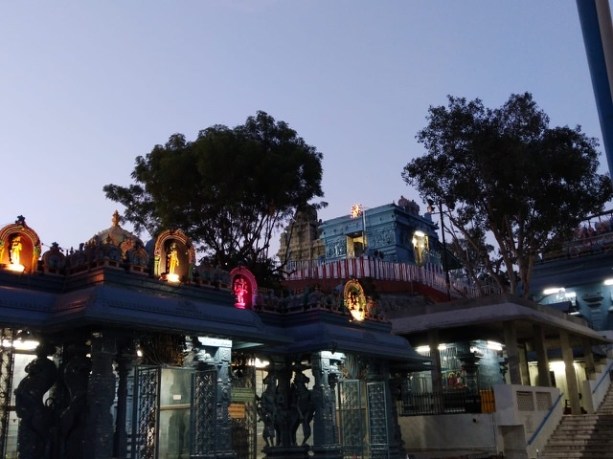
But it has been attracting an increasing number of people from all classes and many countries over the years. This temple reflects the architecture and grandeur of South Indian temples at their best; it is made of granite and the temple complex is built in accordance with the Chola style.
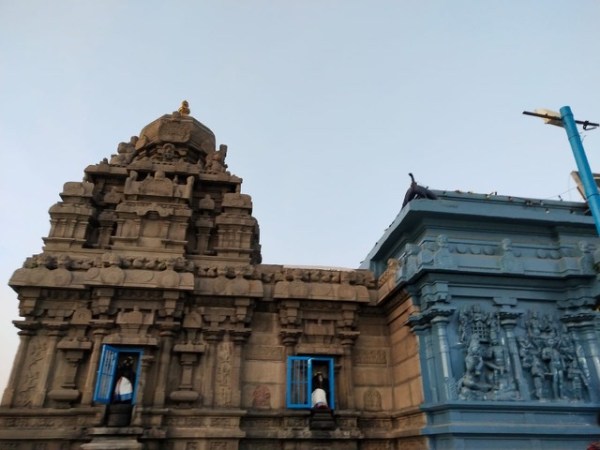
The foundation stone of the temple was laid on September 8, 1965, by the then Chief Minister of Tamil Nadu Mr. Minjor Bhaktvatsalam. The then Prime Minister of India, Shri Lal Bahadur Shastri, was also present in that ceremony.
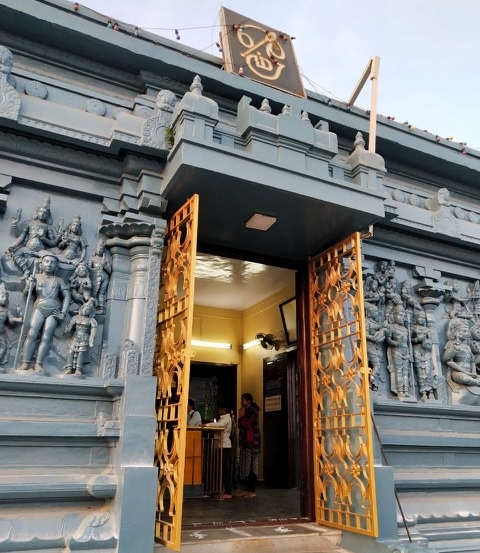
The main ‘Aarti’ is beautifully sung in unison at 6 in the evening. The priest explained that before the aarti, the lord is properly coronated with milk and honey and ‘Khichdi’ is their special sacrament (prasadam). It is not just devotees who get the prasadam, even those who are hungry and in need, are given the prasadam.
The priest also told me that in year 2007, an Eka Koti Archana was performed here. One crore recitals of the sacred Namavalis of Lord Swaminatha Swami uttered in sonorous and harmonious unison by twelve learned Sivacharyas continuously for 120 days for the benefit of not only the participating devotees, but also to the people at large, the country and, above all, humanity as a whole.
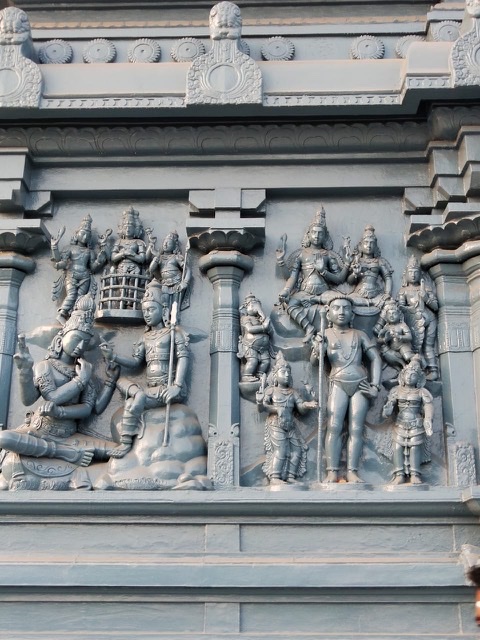
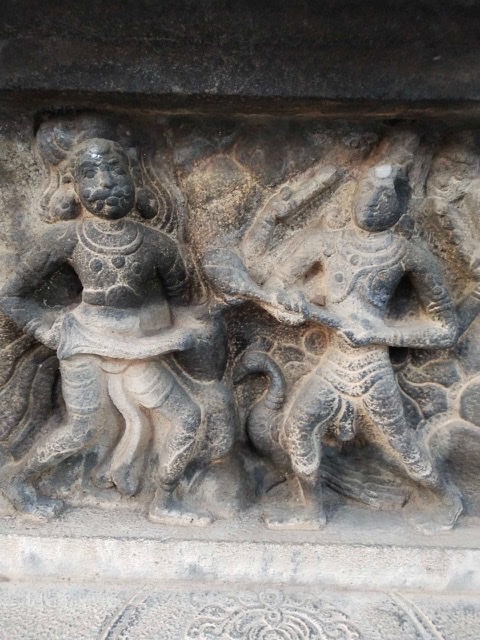
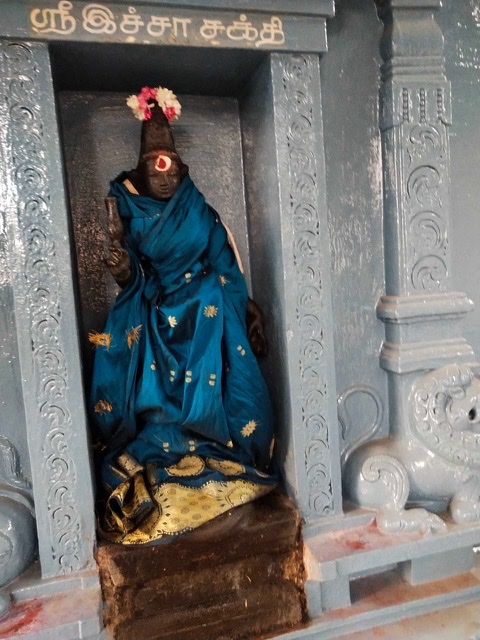
All the main idols of the temple are made of black granite. Just after entering into the temple, on the left, one can find the idols of Lord Karpaga Vigner, Goddess Meenakshi, and Shri Sudreshwar who were the elder brother, mother and father of Lord Swaminath. All the walls and roof of the temple are beautifully decorated with intricate art work. The idol of Meenakshi Devi is especially beautiful. There is a temple of Navgraha to the right side of the temple dedicated to the parents of Lord Swaminath. The Navgraha temple has beautiful idols of all the nine Hindu navgrahas including Lord Shani.
There is also a magnificent hall located on top of a steep flight of stairs that is called Adi Swami hall. An idol of Nag Devta graces the right side of the left staircase.
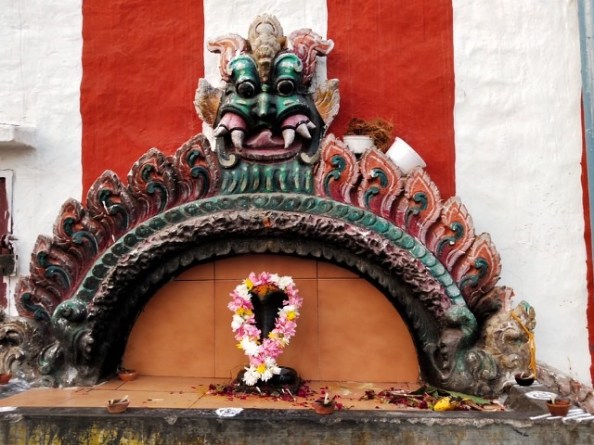
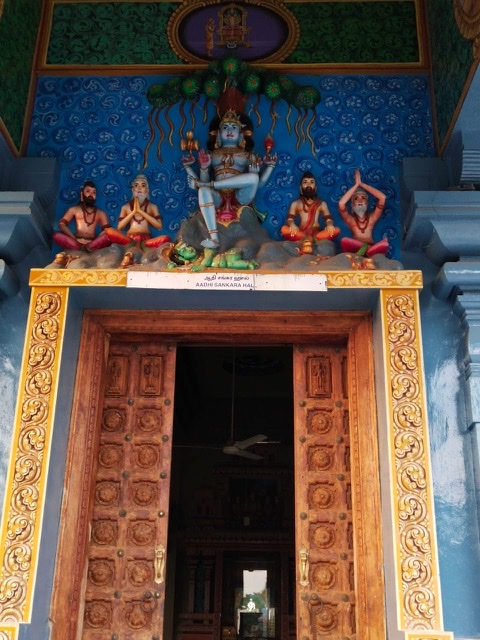
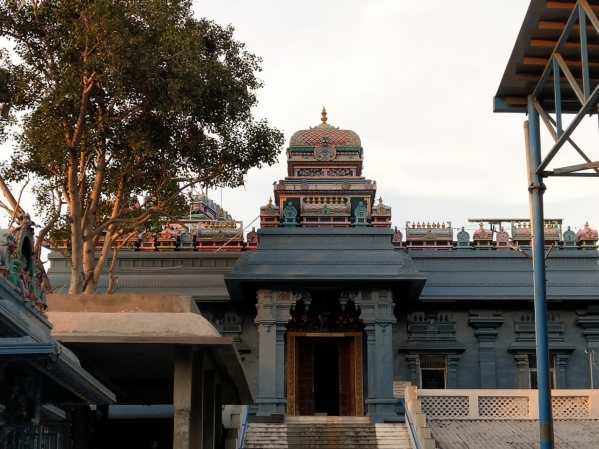
The front staircase leads to the temple of Lord Swaminath, which is the main temple of the complex. The walls of the temple are decorated with paintings of various deities. The pillars of the temple have traditional designs from south India. There are separate queues for men (left) and women (right) for worship. This rule is applicable everywhere in the temple.
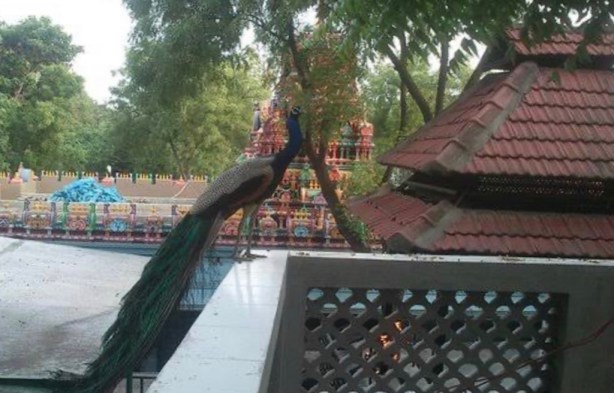
In Hinduism, the peacock is the vehicle of Lord Swaminath. So, peacocks are reared in the temple and their presence can be seen and heard in the temple.
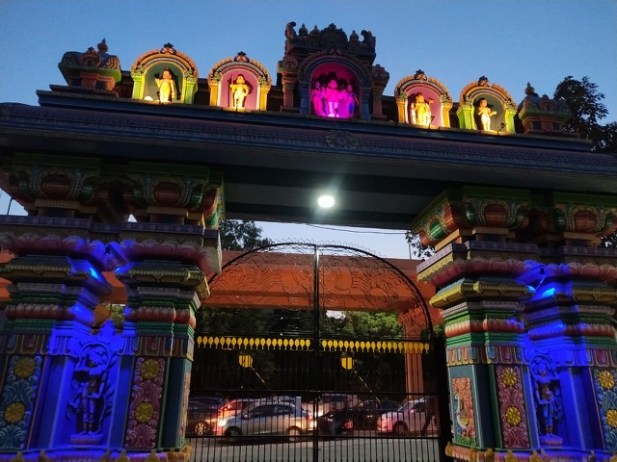
The temple looks particularly beautiful during the evening and night. All the lights are switched on and it is a feast for the eyes. I went to the temple during daytime and was there till 7 in the evening. It was a beautiful experience to be there and see everything happening.
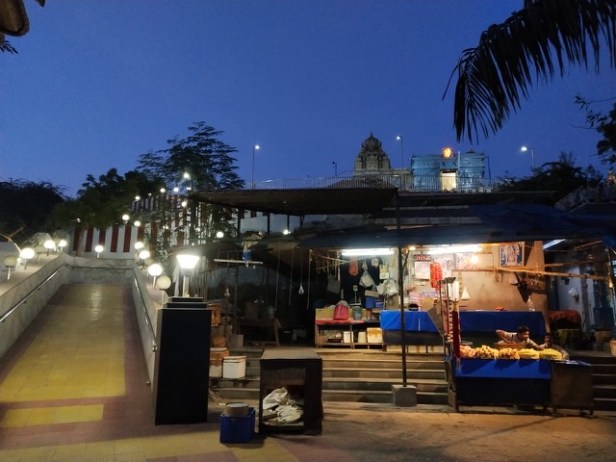
Outside the temple, there is a ‘Vada Idli’ vendor from Tamil Nadu, who sells traditional Tamil dishes.
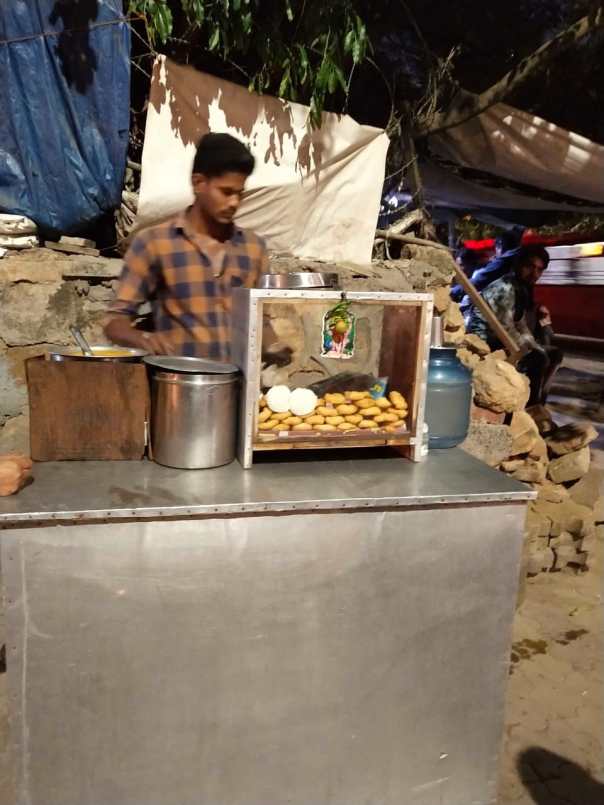
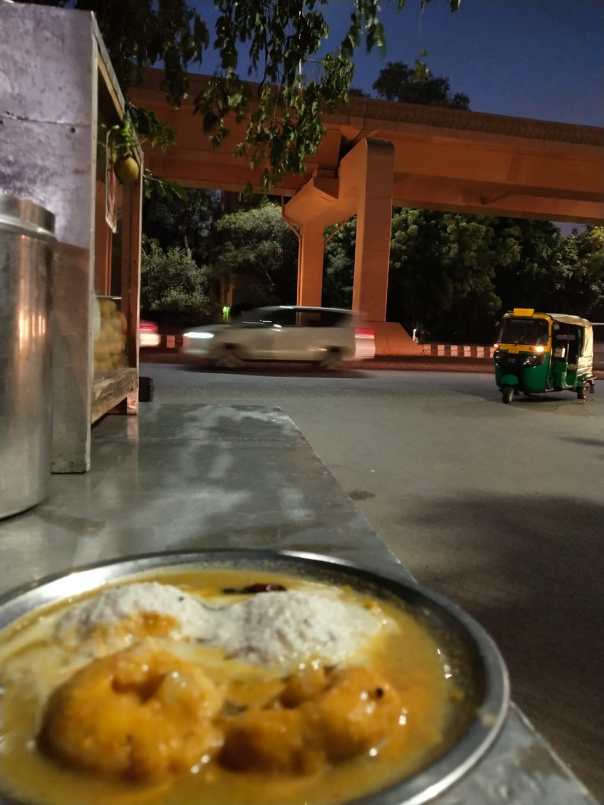
R. K. PURAM MARKET
Rama Krishna Puram (RK Puram) is a large residential complex for government employees. Its construction started in the late 1950s. The Malai Mandir is in sector-7 and there are markets and shopping complex adjoining it.
IMPORTANCE OF FLOWERS IN SOUTH INDIAN CULTURE
Raju Florist sits outside the temple because flowers and garlands play a vital role in Hindu temples and rituals. In South India, flowers are used in many more ways. Most often, devotees offer marigolds, jasmine and roses to the deity; while lotus is taken for Goddess Lakshmi. Fresh flowers are flown in every day from Chennai to the temple and are sold to devotees as well as used for temple rituals.

