
Delhi is not just the national capital but a heritage site, made rich with the monuments that survived the rise and fall of dynasties. Originally built to overcome a water crisis prevailing in the 14th century, Feroz Shah Kotla is one of the many marvellous places that make Delhi so significant.
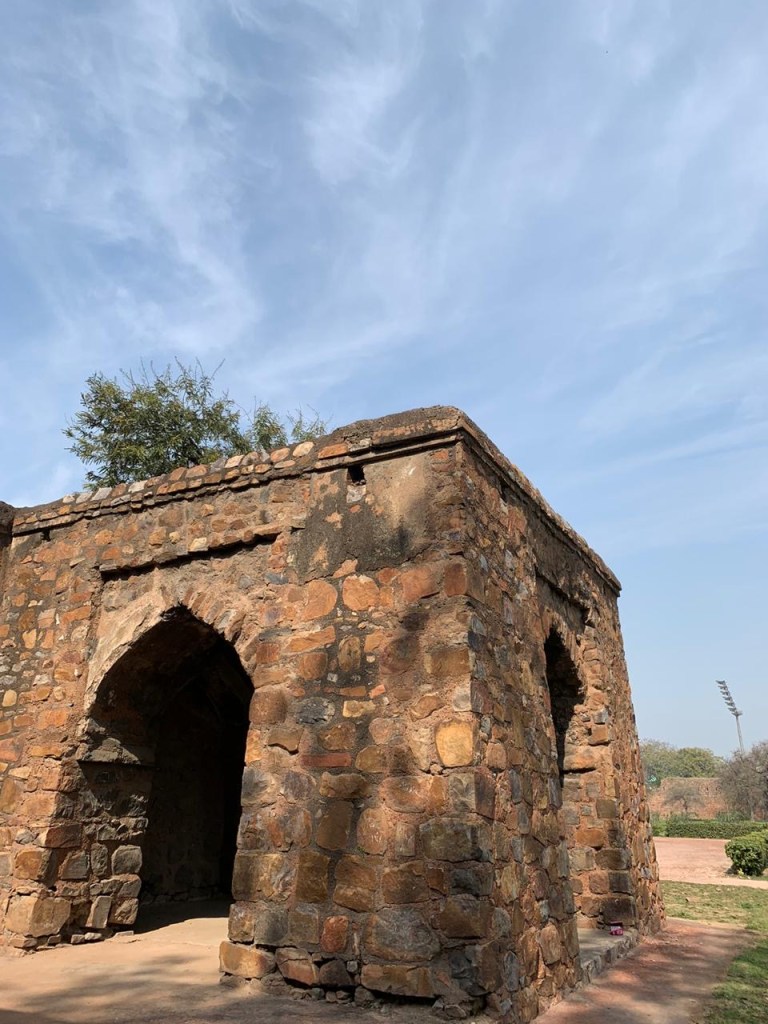
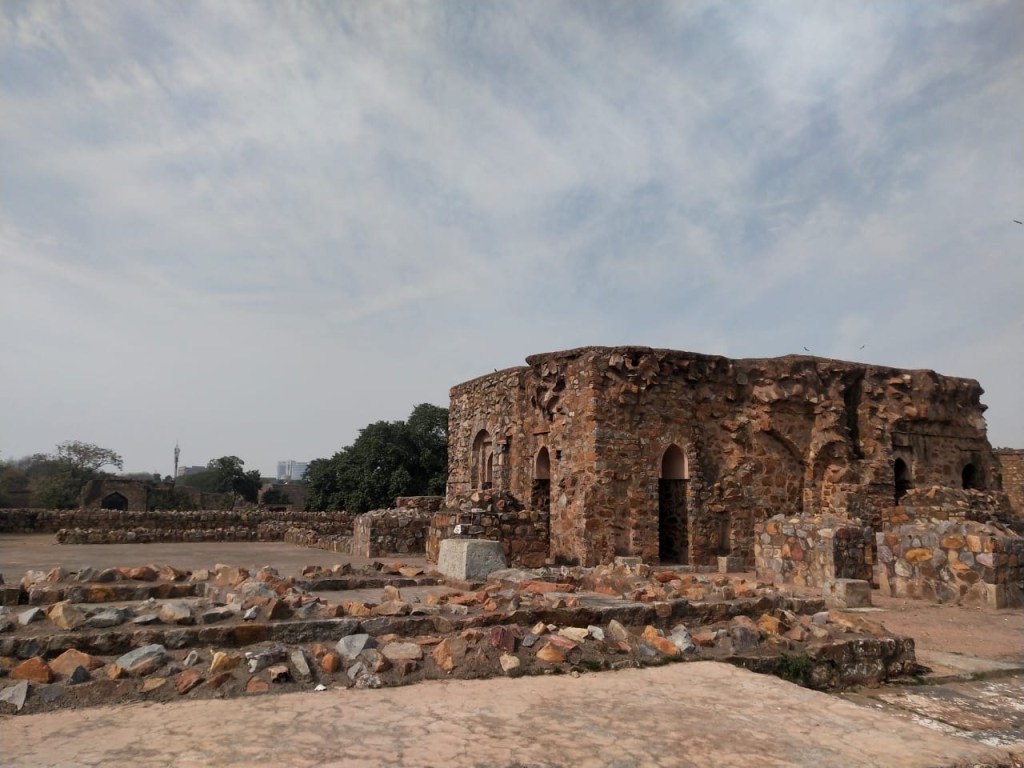
There’s so much more to Feroz Shah Kotla than just the stadium and it’s sad to see how most of it goes unnoticed. It has an ideal location, that between Old and New Delhi. The majestic fort was built in 1354 by Sultan Feroz Shah Tughlaq near the river Yamuna and emanates an enigma than words can barely suggest.
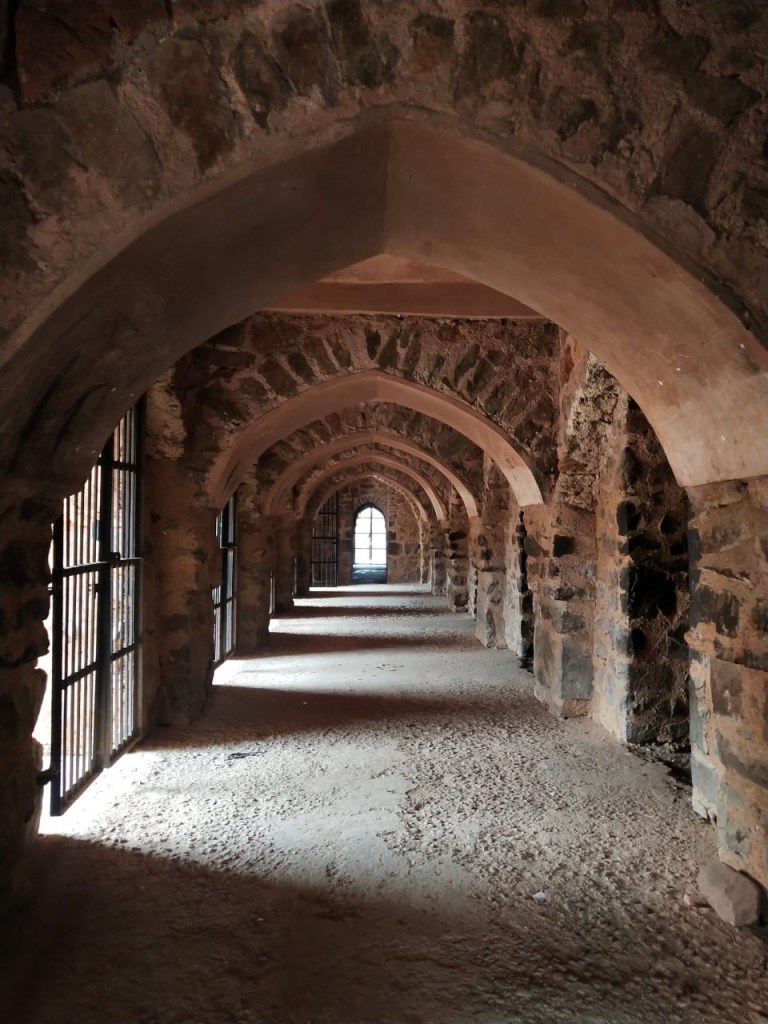
We were satisfied to see that the monument is well preserved and students, scholars and tourists alike can come to study its features or just admire the remains of this fort. From previously water- filled Baolis, to popular Masjids, we had a good view of everything that comprises the fascinating citadel.
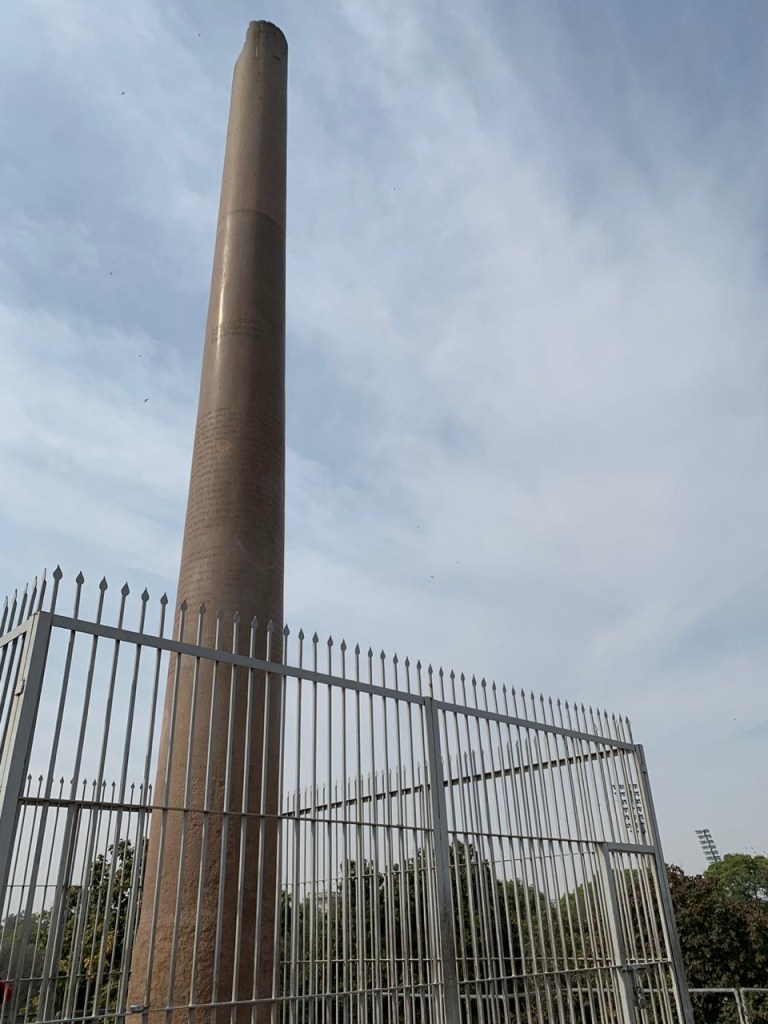
A few moments after entering the site, we came across a mosque called Jami Masjid which had a pyramidal structure constructed using black and white stones. It was astonishing how the beautifully decorated Ashokan Pillar having various inscriptions stood on the pyramidal structure. Especially because we went to see the site during day time, we had a marvellous view of the pillar and the view of the surroundings from the elevated structure, which was very enjoyable.
Walking there, we found high pitch -black stains on the old red brick walls, each of them had a fabricated layer of thick black smudge caused due to overlay of burnt incense sticks over decades. We also found people meditating in front of such places, lighting incense sticks, offering flowers and sweets.
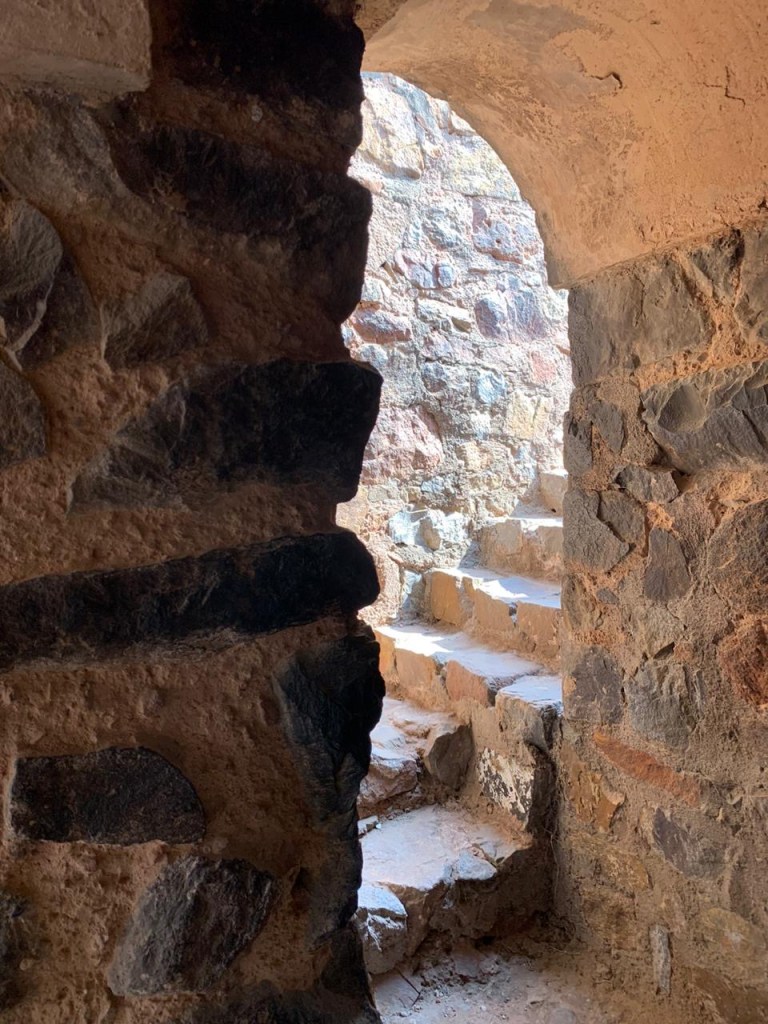
It is believed that the fort is home to djinns. An old man informed us about the sweets being weaknesses to the djinns. Those who believe in the existence of the djinns visit this fort frequently in search for fulfilment of their wishes and the solutions to their issues. Moreover, some perform exorcisms here to get rid of evil spirits that may or may not exist within or around them. Some students enquired two women about the same and swore by the efficacy of these practices. Consequently, many students wrote their wishes on a piece of paper and kept it near the site where the djinns are believed to live. Some could also smell the (invisible)incense and that is believed to be a good sign. On being spoken to, some regular visitors of the fort told us how visiting the site every Thursday in good faith can solve their impediments and help them lead a good life.
It’s all a matter of faith and beliefs, but it is staggering to see how many of those constitute a living tradition!
Written by: Arshiya Mahajan
Representing
Kashvi Chandok
Yashve Singhal
Kangana Agarwal
Siya Singh
 Rediscovering Delhi